
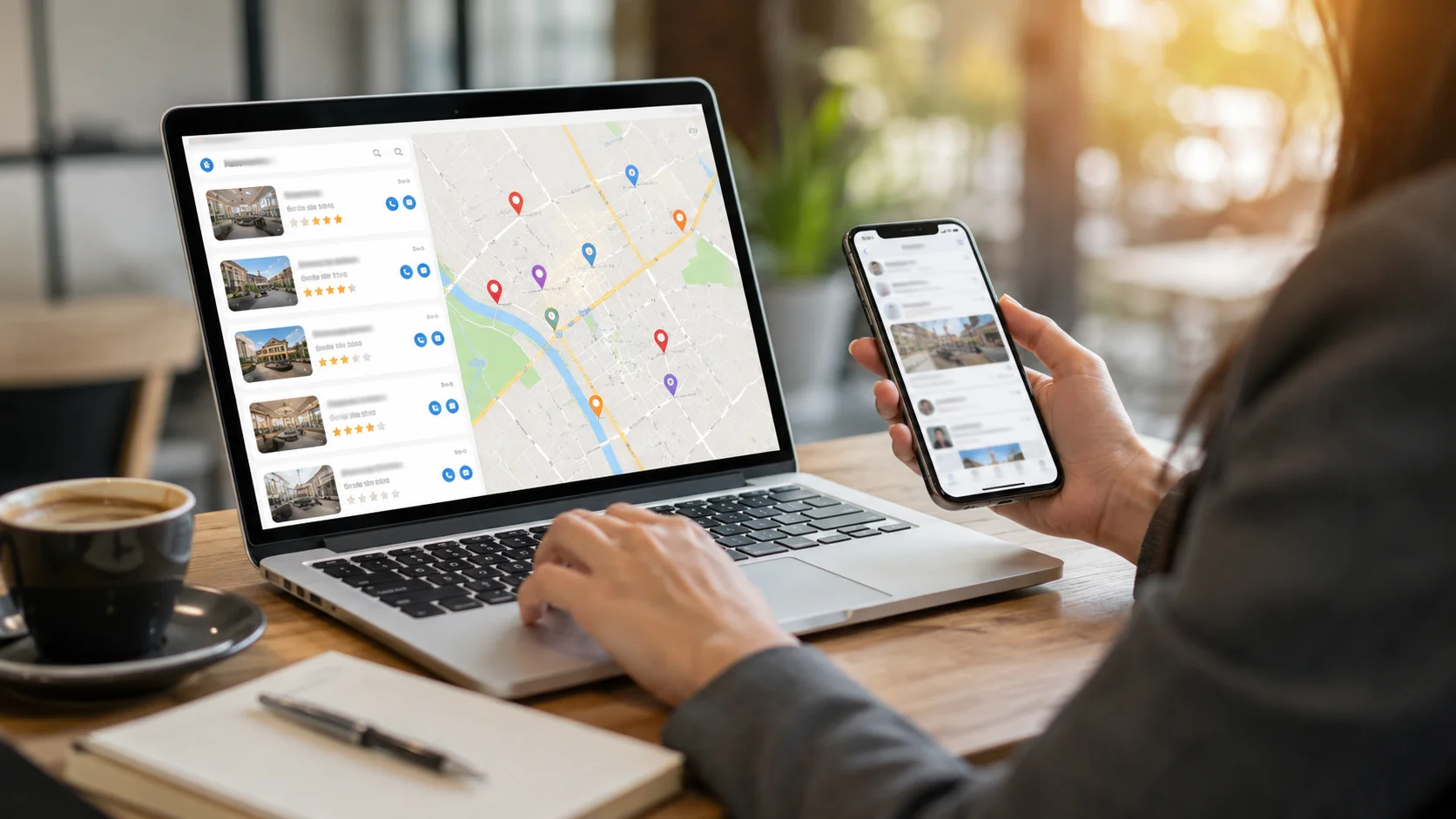
Social media gets all the buzz. But when it comes to actually converting a browser into a buyer, local business directories win, and it’s not even close.
For platforms like US Local Finder, this intent matters. A user visiting a local directory is usually looking for a specific business, service category or city-based provider. That makes directory traffic more action-focused than social media traffic, where users are often browsing without an immediate buying need.
High-intent search channels often convert much better than passive social traffic. For example, industry data has shown paid search converting at around four times the rate of paid social, largely because search users already have a clear need when they click. Why? Because intent is everything. A person is on Instagram scrolling, and the person on local listing platforms is searching with wallet in hand.
Here is the complete detail of why this gap exists and what the data says.
Let’s dig a little deeper!
The Psychology of High-Intent Consumers on Local Listing Platforms
To understand the conversion gap, you have to understand the mindset of the person doing the searching.
On social media, users are in passive discovery mode. They are not looking for anything specific. They stick on your ad and feel curious about your business, and that’s why they are searching about the services you provide.
On a local business directory, users are in active purchase mode. users are in active purchase mode. They already know they need a service and are comparing options to find the best value. At this stage, they are often just minutes away from making a final decision.
This is called high purchase intent, and it is the single biggest driver of conversion rate differences between channels.
That is why optimising your local company directory listing is one of the highest-ROI activities available to any small business owner.

Hard Data: Measuring Referral Traffic From a Local Company Directory
It is easy to talk about intent. But let’s look at what the numbers actually show when businesses track their referral traffic.
Businesses that actively manage their local business listings can see productive results in their business profit.
- Higher click-to-call rates compared to social traffic, because users are already decision-ready.
- Lower bounce rates on website visits from directory referrals, indicating stronger relevance.
- Shorter sales cycles, since the customer has already done research before they contact you.
Unlike social media, where attribution is murky, directory traffic is clean and traceable. You can see exactly how many people clicked listings, visited your site or called your number. So in all ways a local business directory is better than social media marketing.
Why Local Context Beats Global Visibility in Modern Algorithms
Google’s algorithm has evolved significantly over the past decade, and one clear trend stands out: local context is king.
A business with 10,000 Instagram followers but an inconsistent local SEO signal will consistently lose in search ranking to a business with a clean and verified listing. Social media activity alone does not guarantee local search visibility.
What does translate? These local signals:
- Consistent NAP: Name, address and phone across all directory platforms.
- Category-specific listings: That match what users are actually searching for.
- Geo-targeted keywords: Embedded in your listing description.
- Genuine customer reviews: With local mentions (city names, neighbourhood references)
Google treats these signals as proof that you are an established local business.
Demystifying the Local 3-Pack: Where 42% of All Local Clicks Land
If you have ever searched for a local service on Google, you have seen the local 3-pack, the box of three businesses that appears on top. These businesses are considered the most trusted & reliable businesses near your area. 42% of organic traffic chooses one of these three local businesses.
Here is why Google builds its 3-pack results by evaluating three factors:
- Proximity: How close the business is to the searcher
- Prominence: How well-known and trusted the business is online.
- Relevance: How well the listing matches the search query.
Step-by-Step Optimization Tactics for the Modern Small Business Owner Directory
Knowing why directories work is half the battle; here’s exactly what to do about it:
Step 1: Claim And Verify Every Listing
Start by claiming your profiles on the most authoritative local business directories. Don’t wait for a competitor to claim yours first. An unclaimed listing is far less trusted by Google.
Step 2: Standardize Your NAP Everywhere
Use exactly the same business name, address format and phone number across every platform. Even small differences can fragment your local citation profile into less SEO value.
Step 3: Write A Keyword-Rich Business Description
Your listing description is prime real estate. Incorporate your primary local SEO keywords naturally: the service you provide, the city you serve and any unique value points. Aim for 100-200 words that are informative but not stuffed.
Step 4: Add High-Quality Photos
Listings with photos receive dramatically more clicks. Add real images of your work, your storefront and your team. Authenticity increases trust & boosts SEO.
Step 5: Actively Request Reviews
Reviews are one of the most powerful local SEO ranking factors. Ask satisfied customers to leave a review on your directory listing. Responding to every review, positive or negative, shows that you are really engaged.
Step 6: Upgrade Regularly
Stale listings hurt. Update your hours for holidays, refresh your photos seasonally and revisit your description whenever you add new services. An active listing signals to both search engines and potential customers.