
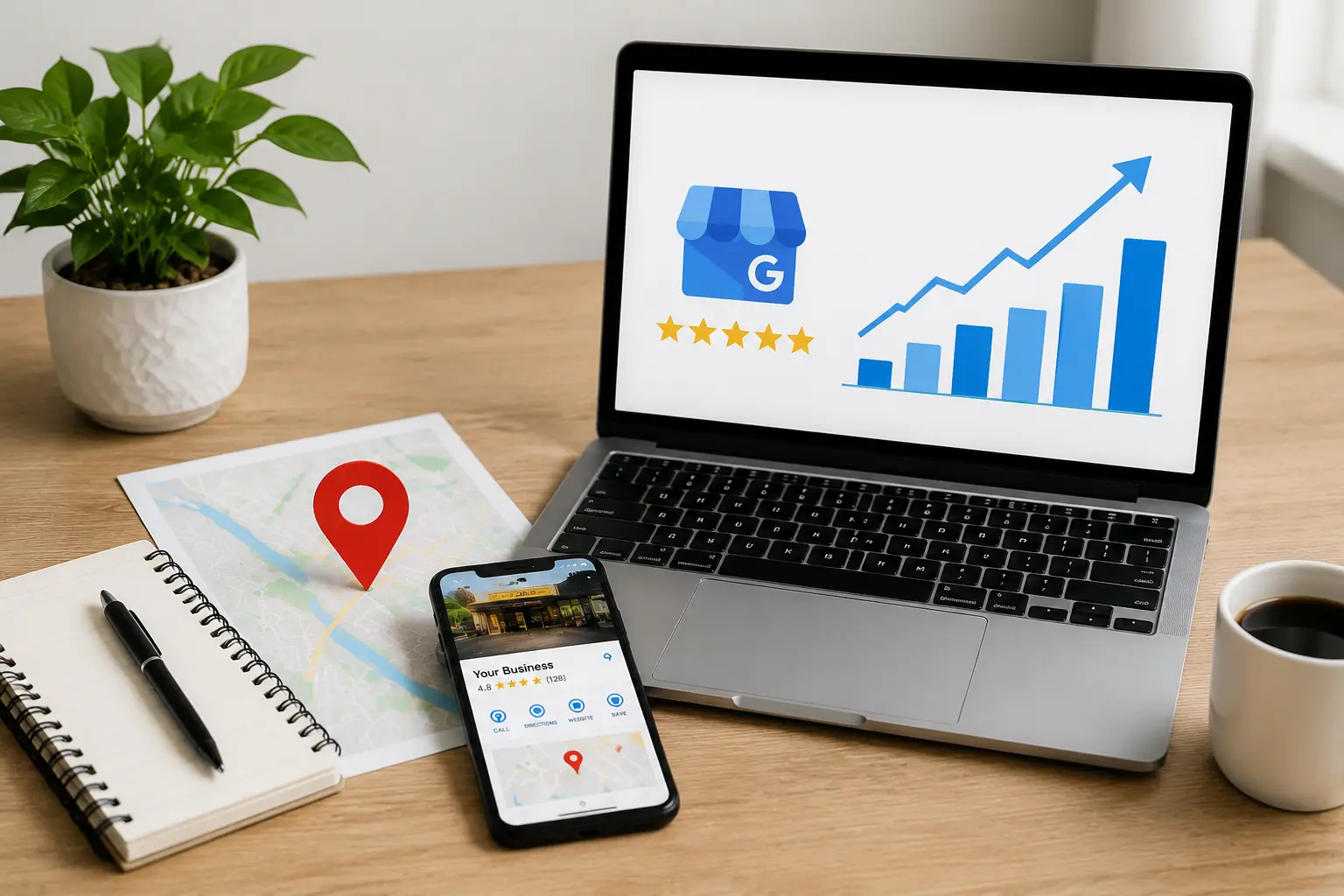




Standing out in your local market is harder than ever. With national chains dominating ad spend and algorithms constantly shifting, small business owners often feel like they are shouting into a void. Yet the most powerful tool for local customer acquisition is hiding in plain sight business directories for small businesses. These platforms are not digital relics. They are active, searchable ecosystems where motivated buyers find exactly what they need. When they need it. Understanding how to leverage them properly can transform your visibility from invisible to unavoidable in your community.
Why Online Business Directories Are Your Secret Weapon for Local Growth
Business directories for small businesses function as trust signals for both consumers and search engines. When your business appears consistently across reputable platforms like Google interprets that presence as verification of your legitimacy, relevance and geographic authority. This directly influences your position in local search results. Google Maps rankings, and the coveted local three pack that captures the majority of local search clicks.
The statistics are compelling. According to Bright Local’s 2024 Local Consumer Review Survey, 98 percent of consumers used the internet to find information about local businesses in the past year. Of those, 76 percent checked online business directories and review sites before making a purchase decision. Meanwhile the businesses with complete and consistent listings across multiple directories generate 47 percent more revenue from local search than those with fragmented or missing presence. These are not marginal gains, they represent the difference between thriving and merely surviving in competitive markets.
The benefits extend beyond search rankings. Local business listings put your business in front of high intent customers who are actively searching for your specific services. Unlike social media advertising that interrupts scrolling users, directory traffic consists of people who have already decided they need a plumber, a dentist, a contractor or a restaurant. They are prequalified, geographically relevant and ready to convert. For small businesses with limited marketing budgets, this efficiency is invaluable.
The Step by Step Process to Audit Your Current Online Presence
Before you can optimize, You need to know where you stand. Most small business owners are shocked to discover how many places their business information appears online and how much of it is wrong, outdated, or incomplete. A systematic audit is the foundation of effective directory strategy.
Finding Where Your Business is Already Listed
Start with a simple search. Type your business name into Google and review the first five pages of results. Note every directory and review site or social platform and local guide where your business appears. Common platforms include Google Business Profile or Yelp and Bing Places, Apple Maps or Facebook and Yellow Pages and industry specific directories. Do not forget lesser known local business listings that may have scraped your data from public records or past marketing campaigns.
Next the search for your business phone number or your old address if you have moved and variations of your business name. This often reveals forgotten listings created by former employees and marketing agencies or automated data aggregators. Document every discovery in a spreadsheet with the platform name and URL or current information displayed and whether you have login access. This inventory becomes your roadmap for cleanup and optimization.
Identifying Inaccurate Data That Hurts Your Rankings
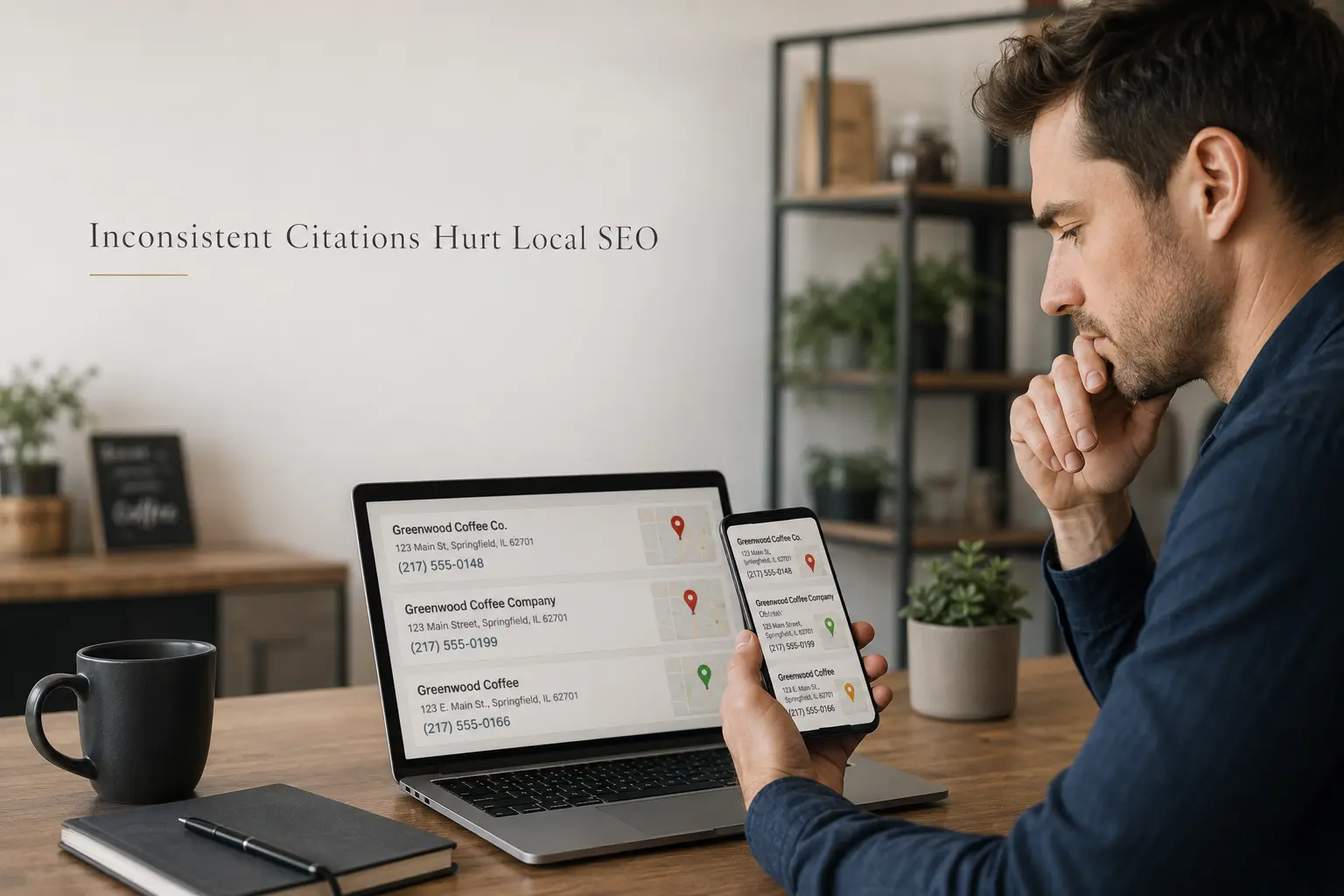
Inconsistency is the silent killer of local SEO. Every discrepancy between your business name and address or phone number across the web dilutes Google’s confidence in your listing. A missing suite number or an old area code or a slightly different business name format signals potential fraud or outdated information to search algorithms.
During your audit, flag every variation. Common errors include abbreviated street names versus full spellings and old phone numbers still ringing to disconnected lines and addresses from previous locations that confuse mapping systems. Even minor differences like “Street” versus “St.” or “Suite 100” versus “100” can fragment your citation profile and suppress your rankings. The goal is absolute uniformity or every mention of your business across the internet should match your official records exactly.
Crucial Optimization Steps for Every Local Business Listing
Once your audit is complete the optimization begins. This is not about filling in blanks haphazardly. It is about strategic and consistent enhancement that signals authority and relevance to both search engines and human searchers.
Achieving 100% NAP Consistency Across the Web
NAP consistency is a critical part of local business listing optimization because it helps search engines verify your business identity across the web. When your business name, address, and phone number appear in the same format on directories, citation sites, Google Business Profile, and local platforms, it builds trust and improves local SEO visibility. A consistent NAP profile also helps customers find accurate contact details, reduces confusion, and strengthens your chances of ranking higher in local search results.
What is NAP Data and Why Does Google Care About It?
NAP stands for Name, Address, and Phone Number. It is the foundational data point that search engines use to verify your business identity and associate reviews with the correct entity and display accurate information to local searchers. When your NAP is consistent across dozens or hundreds of business citations, The google gains confidence that you are a legitimate or established operation worth ranking prominently.
Why Google Uses NAP for Trust and Rankings
When NAP is inconsistent, the consequences are severe. Google may split your reviews across multiple partial profiles and display incorrect directions to customers or suppress your listing entirely in favor of competitors with cleaner data. A Moz Local SEO study found that NAP inconsistency is the third most significant negative ranking factor for local pack results. For business directories for small businesses and maintaining perfect NAP alignment is not optional it is the price of admission to competitive local search.
How to Maintain NAP Consistency
To achieve consistency. You first establish your canonical NAP format. Choose one version of your business name and one complete address format and one primary phone number. Use this exact format on every platform or every submission and every update. Do not abbreviate on some sites and spell out on others. Do not use call tracking numbers that vary by platform unless you implement proper canonical forwarding. Treat your NAP like a brand trademark identical everywhere it appears.
Optimizing Your Directory Listings
Beyond NAP, complete every field available in your directory profiles. Add business hours and service categories or website URLs and high quality photos or business descriptions and accepted payment methods. Listings with complete profiles receive 416 percent more views than those with minimal information. According to Google Business Profile data. Upload photos of your team and your workspace or your products and your completed projects. Visual content increases engagement and builds trust and signals active management of your listing.
The Role of Reviews in Local SEO
Encourage and respond to reviews systematically. Reviews are ranking signals or conversion factors and trust builders rolled into one. Businesses that respond to reviews earn 12 percent more revenue than non responders. According to Womply research. Develop a protocol for requesting reviews from satisfied customers and monitoring new feedback across platforms and replying professionally to every review positive and negative within 24 to 48 hours.
Building Local Citations for Authority
Finally, build your business citations strategically. Submit your verified NAP to core data aggregators like Data Axle or Localeze and Foursquare. These platforms distribute your information to hundreds of downstream directories, establishing a consistent foundation. Then target industry specific directories and local chamber of commerce sites and neighborhood business associations and regional guides. Each quality citation reinforces your geographic and topical relevance.
How We Help Small Businesses Streamline Their Citation Building
Managing business directories for small businesses manually is time consuming and error prone. Most small business owners lack the hours required to audit hundreds of listings, correct inconsistencies and upload optimized content and monitor reviews across dozens of platforms. This is where professional directory management becomes essential.
At SearchNova360, we specialize in helping small businesses claim or verify and optimize their presence across the most impactful online business directories. Our team begins with a comprehensive citation audit and identifying every existing mention of your business and flagging inconsistencies that suppress your local SEO performance. We then implement your canonical NAP across all platforms and Eliminating the discrepancies that confuse search engines and frustrate customers.
Our optimization process goes beyond basic data correction. We enhance your profiles with keyword rich descriptions and professional photography or service category precision and review generation strategies that improve both rankings and conversion rates. We monitor your listings continuously and updating hours and adding new services and responding to reviews on your behalf. When algorithms change or platforms update their requirements, we adapt your profiles proactively so you never lose visibility due to outdated formatting.
The result is a unified, authoritative presence across the digital landscape. Your business appears consistently wherever customers search Google, Bing, Apple Maps, Yelp, industry directories, and local guides. You capture more high intent traffic, convert more searchers into callers, and build the review volume that cements your reputation as the local leader in your category.
Business directories for small businesses are not a passive marketing channel. They are an active, measurable engine for local growth when managed with precision and consistency. The businesses that dominate local search are not necessarily the biggest or the oldest they are the ones that treat their directory presence as a core strategic asset.
Conclusion
Winning local customers in today’s digital environment requires more than a good product and a friendly smile. It requires systematic visibility across the platforms where your community actually searches. Business directories for small businesses provide that visibility at a fraction of the cost of traditional advertising, with the added benefit of building long term search authority that compounds over time.
Start with an honest audit of your current presence. Fix your NAP consistency. Complete every profile field. Build quality citations methodically. And if the workload exceeds your capacity, partner with professionals who treat your local visibility as seriously as you treat your craft.
Your next customer is searching right now. Make sure they find you.
Ready to dominate local search? Visit SearchNova360.com to claim your verified business listing and discover how our directory optimization services put your small business in front of the customers who matter most.
FAQs
What are the best business directories for small businesses?
Start with Google Business Profile, Yelp, Bing Places, Apple Maps, and Facebook. Add industry specific sites like Angi for home services or Health grades for medical practices, plus your local chamber of commerce. Consistency across these platforms matters more than being everywhere.
How do local business listings help my business grow?
They put you in front of high intent customers actively searching for your services, build credibility through reviews and accurate information, and improve your local SEO rankings driving more calls and visits without heavy ad spending.
Is local SEO important for service based businesses?
Absolutely. Service businesses rely on customers finding them in urgent, location specific moments. Local SEO ensures you appear when nearby customers need you most, rather than competing against national brands for broad keywords.
How do I claim a free local business listing?
Search for your business on Google Business Profile, click “Claim this business,” and verify via postcard, phone, or email. Repeat on Yelp, Bing Places, and Apple Maps, keeping your name, address, and phone number identical everywhere.